
By Hannah Robbins
Let’s be honest. We are all a little exhausted by the pace of change right now.
Every week seems to bring a new disruption, a new platform, or a new game-changing AI announcement (take a shot every time someone says AI-powered). Technology is moving so quickly that regulators, markets, and organizations are all trying to catch up. Add in the major policy shifts looming with the midterm elections later this year, and it’s easy to see why so many leaders feel like they’re operating on unstable ground. At this point, uncertainty isn’t a temporary business challenge. It’s the operating environment.
The problem is that many organizations are still relying on legacy communication styles that were built for a much slower world.
We’ve all seen the email announcing an “exciting transformation” or a “strategic evolution,” usually packed with polished language, vague optimism, and just enough jargon to guarantee nobody remembers it five minutes later. Increasingly, there’s another issue too. People can tell when communication has been optimized within an inch of its life. The tone is polished and the wording is safe. But in trying to reduce risk, organizations sometimes edit out the very humanity that would make the message resonate. Whether it’s a restructure that upends a career or a public response to a crisis, people know the difference between a message that acknowledges reality and one that dances around it.
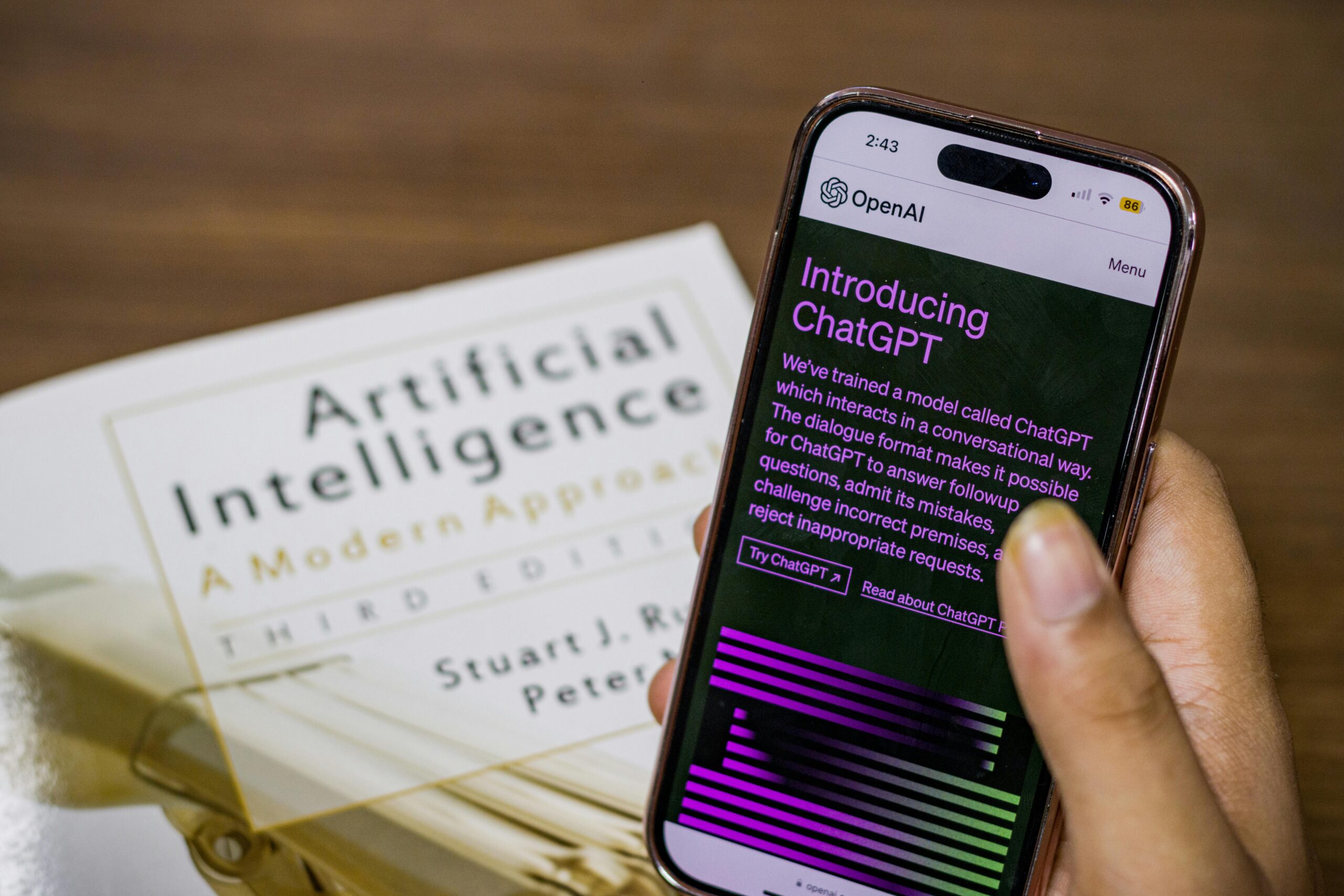
I’m a huge advocate for leveraging AI in communications, but we must be careful not to mistake fast for meaningful. In moments of change, people crave specifics and a human perspective. If we rely too heavily on the tech, we risk sounding efficient but empty, and audiences are getting very good at noticing the difference.
To be fair, this isn’t entirely an AI problem.
Change announcements often go through extensive review cycles and somewhere along the way, it’s easy for the recognizable voice behind the message to get softened.
And I promise you I’m not advocating for every leader to suddenly take a casual tone or start cracking jokes in company-wide communications. But organizations should stop defaulting to messaging so polished it becomes forgettable. The brands and leaders getting this right tend to communicate with more clarity, more specificity, and a little more self-awareness. They acknowledge complexity instead of trying to make every change sound perfectly seamless.
That same principle applies externally too. Reporters are just as attuned to over-processed messaging as employees are. Reputation today isn’t shaped solely by what organizations say. It’s also shaped by whether audiences believe there are actual people behind the statement.
At Peppercomm, we’ve spent years studying the role humor and humanity play in effective communication. Not because every message needs to be funny (although we do appreciate well-timed humor), but because audiences respond to communication that sounds authentic, conversational, and real. In a business environment defined by nonstop change, that matters more than ever.
At the end of the day, people don’t expect organizations to have every answer. But they do expect communication that sounds like someone was actually willing to say something.