
Written by: Chris Tingzhang Liang, Account Executive
When we think about building a country’s international reputation, we often picture tourism campaigns, cultural events, or government-led initiatives. But what if one of the most powerful ways to shape a nation’s image happens outside traditional PR campaigns?
In 2021, Emirates made headlines with a remarkable advertisement featuring a woman dressed in its signature uniform standing at the very top of the Burj Khalifa, the world’s tallest building. As the camera pulled back to reveal Dubai’s skyline, the stunt captured global attention. Beyond promoting the airline, the ad also showcased the city’s ambition and modernity. The success of Gulf airlines offers an interesting lesson for communications professionals: sometimes, the most effective way to tell a brand’s story is to let people experience it themselves.
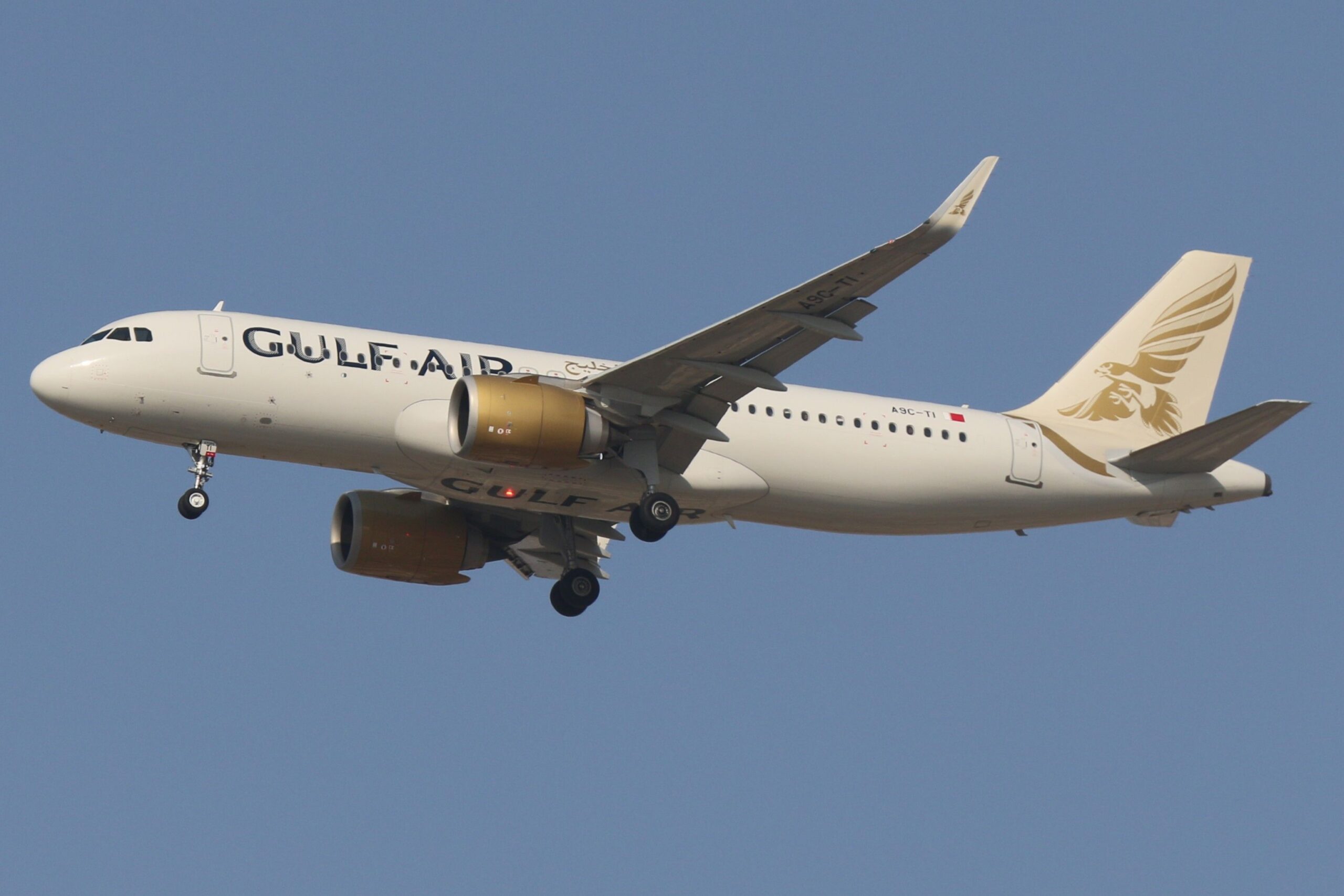
But the relationship between Gulf airlines and their home countries goes far beyond memorable advertising. Over the past few decades, the United Arab Emirates and Qatar have transformed themselves into major international destinations, recognized for their modern infrastructure, luxury hospitality, and global connectivity. Their national airlines—Emirates, Etihad Airways, and Qatar Airways—have played such an important role in that transformation.
More Than a Way to Get There
The rise of Gulf aviation was no accident. Backed by substantial government investment and long-term economic diversification strategies, Emirates, Etihad, and Qatar Airways developed extensive international networks connecting travelers across continents.
But connectivity alone doesn’t explain their influence.
These airlines also invested heavily in premium cabin products, personalized service, and distinctive brand identities. Emirates introduced onboard lounges and showers on its Airbus A380, while Qatar Airways’ Qsuite introduced the industry’s first double bed in business class, alongside private suites. Etihad went even further with The Residence, a three-room first-class suite featuring a living room, bedroom, and a private shower.
These investments serve a purpose beyond attracting passengers. They also communicate something about the countries behind the airlines: ambition, hospitality, modernity, and a willingness to compete on the global stage.
For many international travelers, an airline may be their first meaningful interaction with its home country. A passenger flying from New York to Bangkok via Dubai might have little prior knowledge of the UAE. Yet throughout the journey, the passenger experiences a service designed to reflect the country’s aspirations and hospitality. Before ever setting foot outside the airport, that traveler may already have formed an impression of Dubai.
This relationship between aviation and national reputation was the focus of my research at New York University, where I examined how Emirates, Etihad, and Qatar Airways contribute to international perceptions of their home countries.
Through a small survey of travelers who had flown these airlines and visited Qatar or the UAE, I found that 69% of respondents perceived a strong connection between their airline experience and their experience in the airline’s home country. Meanwhile, 76% said their flying experience made them more likely to revisit Qatar or the UAE.
While the exploratory survey cannot establish a direct causal relationship, its findings suggest something worth considering: the impression a company creates through its services may extend beyond the company itself.
When Experience Becomes Reputation
What makes this particularly interesting is that an airline’s influence doesn’t necessarily end with its passengers.
Someone who enjoys flying Emirates might recommend the airline to friends, become curious about Dubai, or consider visiting the UAE on a future trip. Positive experiences can generate conversations and recommendations that no advertising campaign can fully replicate.
In this sense, the airlines act as unofficial ambassadors for their home countries. Their aircraft, service standards, and global networks offer opportunities to shape perceptions of their home countries, even when passengers don’t consciously make that connection.
However, there are limits to what a positive brand experience can accomplish. A traveler might love Qatar Airways without developing a similarly favorable opinion of Qatar. Likewise, an exceptional flight cannot necessarily overcome negative impressions formed through news coverage, political developments, or personal experiences on the ground.
This raises an important distinction: a company’s reputation can influence perceptions of its home country, but the two are not interchangeable.
What This Means for PR
For communications pros, the success of Gulf carriers offers a lesson that applies well beyond aviation: a brand’s reputation is shaped not only by what it says, but also by what its customers experience. But that influence cuts both ways. When a brand promises exceptional hospitality but fails to deliver it, the resulting disappointment can undermine the very image it seeks to project.
That’s why communications cannot solve for a weak customer experience on its own. When a brand’s promise and the reality people encounter don’t align, even the best message has limits. The answer may be a better product, a more responsive service model or an operational change that closes the gap between what a brand says and what people experience.
We often approach PR by asking how to communicate a company’s strengths, differentiate its offerings, or make its story more compelling. These remain essential responsibilities. But perhaps we should also ask an earlier question: What is the company already communicating through the experience it delivers?
A technology company’s product design, a hotel’s approach to hospitality, or a financial institution’s customer service can all shape perceptions long before a press release is published or a media interview takes place.
PR professionals have an opportunity to work more closely with product teams, customer experience leaders, and business strategists to identify where brand promises are being fulfilled—and where they aren’t.
Ultimately, the most powerful brand stories aren’t just the ones we tell. They’re the ones people experience for themselves.