
Written by: Whitney Welbaum, Senior Account Executive
Culinary experiences are a powerful expression of culture and human connection. Everyone needs to eat, so it’s common for brands to use this shared experience to connect directly with their target audiences and tap into viral trends. However, it’s important that communications and marketing professionals recognize that eating doesn’t always look the same or hold the same meaning in different communities. At the end of the day, food transcends the dinner table, and some brands may be chewing off more than they can swallow.
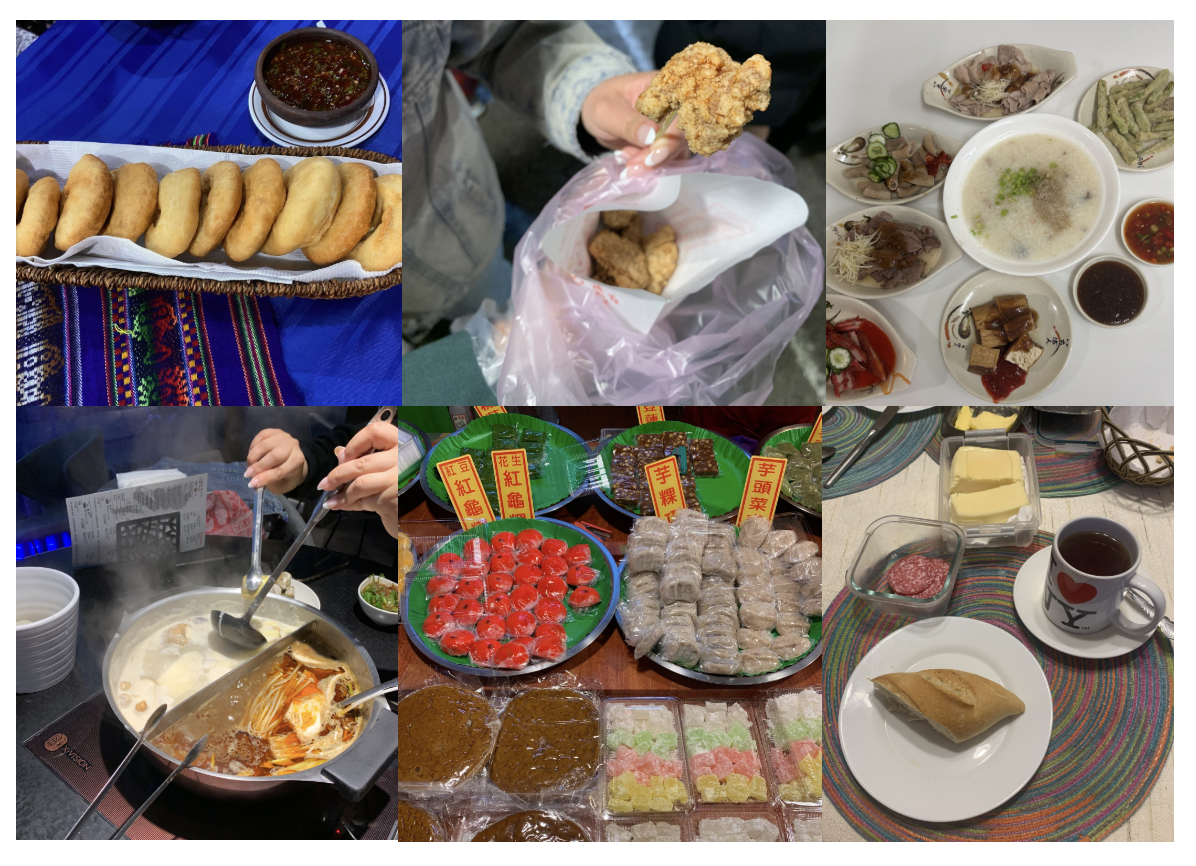
Food has always been a fascination of mine. Whether it’s sitting around a family table with a Lazy Susan laden with dishes swirling in the middle or sitting on the curb eating crispy street food out of a bag, these moments have helped me connect with my own Chinese culture. The saying 民以食為天 directly translates to “to the people, food is heaven.” It reflects the culture’s deep-rooted belief that food is more than sustenance: it’s central to the human experience. While this may sound dramatic, the belief manifests itself in tangible ways. For example, “你吃了嗎?” (“Have you eaten yet?”) is commonly used as a basic greeting rather than a literal question. Additionally, for as long as I can remember, my family has eaten 长寿面 (longevity noodles) on birthdays to wish a long and healthy life to the person celebrating.
This food-centered symbolism and importance isn’t limited to Asian cultures. While living in Chile, I began to look forward to rain. Not because I liked getting wet, but because it meant it was time for sopapillas! The Chilean family I lived with taught me how to make these hot, pillowy chunks of fried dough, a tradition that brought warmth and comfort on days when we were supposed to stay indoors. If we didn’t have time to make them, every bakery in our neighborhood had signs on their doors saying “Sopapillas Hoy”. The last time we cooked together, my host grandmother told me: “Nunca te olvides de esta receta, para que puedas prepararla y recordar a tu familia chilena” (“Never forget this recipe, so you can make it yourself and remember your Chilean family”).
These experiences have deeply informed my outlook on using food in public relations and marketing. Food and culinary experiences have the power to evoke strong emotions and a sense of belonging. But when campaigns use food without respect or awareness for its cultural meaning, they can go drastically wrong.
For instance, in 2018, Dolce & Gabbana released promotional videos that attempted to satirically depict Chinese people eating Italian foods with chopsticks to promote “The Great Show,” a large runway event. However, these videos were widely criticized on social media as offensive and tone-deaf. Beyond their mocking accents and racist imagery, the videos struck a deeper, painful chord because they incorporated food practices, an important part of Chinese cultural identity. Ultimately, despite public apologies, Dolce & Gabbana had to cancel the show.
More recently, Poda’s 2025 matcha launch offered another example of food marketing gone wrong. In a teaser video, the founder pushed traditional matcha tools aside, saying, “We don’t need any of this crap,” as he introduced matcha in a squeeze tube. In Japanese culture, matcha is associated with traditional spiritual practices and hospitality. Audiences called out the campaign on social media for mocking culturally significant practices and treating the tradition as an outdated inconvenience. These examples serve as cautionary tales for brands looking to respond to demand for convenience or tap into food trends without dismissing the cultural practices behind them.
To create successful food-centered campaigns, PR and marketing teams need to understand the story behind what they’re serving. That means building cultural awareness into the process from the start. Here are a few best practices to keep in mind:
- Research the context: Learn what the food means, how it’s prepared, and when it’s traditionally shared. Do not rush the research. Even if it doesn’t seem like a culturally significant item from your perspective, it’s important to check in.
- Bring in community voices early: Consult people with relevant lived experiences. There shouldn’t be just one person weighing in; make sure to bring in multiple voices and perspectives from the community.
- Give credit where credit is due: If you decide to move forward, acknowledge the food or culinary practice’s origins in a respectful way. Don’t use cultural references as decoration or imply a brand invented something it is borrowing. Instead, name the origin and the significance clearly.
- Zoom out and look at all angles (yes, again): Check the language, visuals, etc. A seemingly respectful product can still be framed in a way that reinforces stereotypes. Community voices should remain involved at this stage too.
At Peppercomm, we see cultural awareness as an essential part of building campaigns that earn attention for the right reasons. It should inform the strategy, creative development and counsel we provide clients from the beginning — not serve as a final check once an idea is already in motion.
The most beautiful part of food is that it brings people together in a strikingly authentic way. It’s a powerful tool that can drive fierce brand love when used with care. That starts with understanding the meaning of the food in its original community, celebrating it and ensuring that a campaign doesn’t reduce it to a trend or prop. 慢慢吃 and buen provecho (eat slowly and enjoy your meal) with care in your upcoming campaigns!